
Expert Insights: The Role of Argon in Industrial Applications

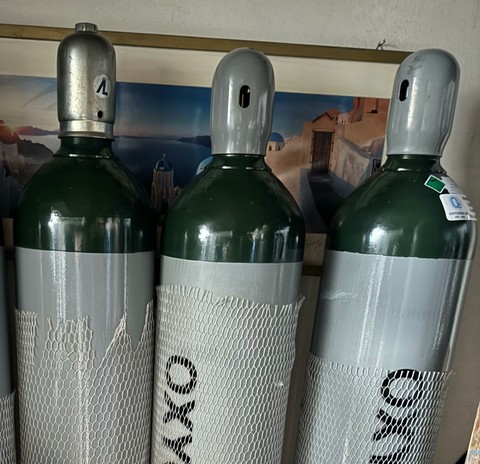
Argon, a noble gas, plays a critical role in numerous industrial applications. Known for its inert properties, argon is widely used in processes that require a non-reactive environment. This post delves into the various applications of argon in industry and why it is so essential.
Understanding Argon's Inert Nature
Argon is a colorless, odorless gas that belongs to the group of noble gases. Its most significant characteristic is its inertness, meaning it doesn’t react with other elements under normal conditions. This makes argon an ideal choice for applications where chemical reactions need to be minimized or prevented.
In the industrial sector, this property is invaluable. By providing a stable environment, argon prevents unwanted reactions that could compromise the quality or safety of the process.

Applications in Welding and Metal Manufacturing
One of the primary uses of argon is in welding. Argon is often used as a shielding gas to protect the weld area from atmospheric gases like oxygen and nitrogen. This protection is essential to prevent oxidation and contamination of the weld.
In metal manufacturing, argon is used in processes such as arc welding and steel production. It helps maintain the integrity and quality of the metal by preventing oxidation during high-temperature operations.
Benefits of Argon in Metal Work
- Prevents oxidation and contamination
- Ensures cleaner welds
- Improves the quality and strength of the metal

Role in the Electronics Industry
Argon is also crucial in the electronics industry. It is used in the production of semiconductors and flat-panel displays. In these processes, argon provides an inert atmosphere that helps in the precise manufacturing of delicate components.
The use of argon in the electronics industry ensures that the materials are free from impurities, leading to higher quality products and improved performance.
Advantages in Electronics
- Maintains purity of components
- Improves product longevity
- Enhances performance and reliability

Argon in Lighting and Insulation
In addition to its use in manufacturing and electronics, argon is employed in lighting and insulation. Argon gas is used in incandescent and fluorescent light bulbs to prevent the oxidation of the filament, thereby extending the bulb's life.
Furthermore, argon is used in double-pane windows as an insulating gas. Its low thermal conductivity makes it an excellent insulator, improving the energy efficiency of buildings.
Environmental Impact
Argon's role in improving energy efficiency highlights its environmental benefits. By enhancing the insulation of windows and the efficiency of lighting, argon contributes to reducing energy consumption and lowering carbon footprints.

In conclusion, argon is an invaluable asset across various industries due to its inert characteristics. From improving weld quality to enhancing the manufacturing of electronics and contributing to energy efficiency, argon's applications are vast and impactful. As industries continue to innovate, the role of argon will likely expand, further solidifying its place as a cornerstone in industrial applications.