
FAQs About Industrial Gas Regulations in Greece

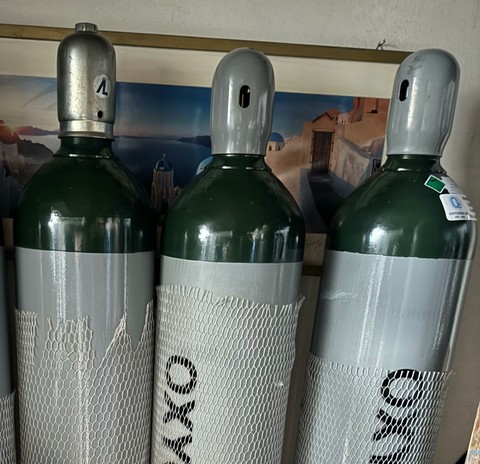
Understanding Industrial Gas Regulations in Greece
When it comes to industrial gases, Greece follows a stringent regulatory framework to ensure safety and environmental protection. These regulations are designed to manage the production, storage, transportation, and usage of industrial gases. Whether you're a business owner or a professional in the industry, understanding these regulations is crucial.

Who Governs Industrial Gas Regulations?
In Greece, the Ministry of Environment and Energy, along with various local authorities, oversees industrial gas regulations. They ensure compliance with both national and European Union standards. The integration of EU directives into Greek law means that companies must adhere to a comprehensive set of rules.
It's essential for businesses to stay informed about any updates or changes in these regulations, as non-compliance can lead to significant penalties. Consulting with local regulatory bodies can provide guidance specific to your operations.
Key Compliance Requirements
There are several critical compliance requirements that businesses must follow:
- Licensing: Companies must obtain the necessary licenses to produce or handle industrial gases.
- Safety Standards: Adherence to safety protocols is mandatory to prevent accidents and ensure worker safety.
- Environmental Protection: Regulations require businesses to minimize environmental impact, focusing on emission controls and waste management.

How Are Inspections Conducted?
Regular inspections are conducted by authorized bodies to ensure compliance with the regulations. These inspections cover various aspects like equipment safety, storage conditions, and operational procedures. Businesses should be prepared for both scheduled and surprise inspections.
Maintaining comprehensive records and conducting internal audits can help companies stay compliant and avoid issues during official inspections.
Impact of Non-Compliance
Non-compliance with industrial gas regulations in Greece can lead to severe consequences, including fines, legal action, and even shutdowns of operations. It's crucial for businesses to understand the importance of following these guidelines to avoid disruptions.

Getting Help and Resources
There are numerous resources available for businesses seeking assistance with compliance. Engaging with industry associations and consulting firms specializing in industrial gas regulations can provide valuable insights and support. Additionally, attending workshops and training sessions can keep your team updated on the latest regulatory developments.
By prioritizing compliance, businesses not only avoid penalties but also contribute to a safer and more sustainable industrial environment in Greece.