
How to Choose the Right Welding Supplies for Your Project

Understanding Your Project Requirements
Before diving into the world of welding supplies, it's crucial to understand the specific needs of your project. Consider the type of materials you will be working with, such as steel, aluminum, or stainless steel, as each requires different equipment and techniques. Determine the project's scope, whether it involves heavy-duty industrial tasks or smaller home repairs, to ensure you select the appropriate supplies.
Types of Welding Processes
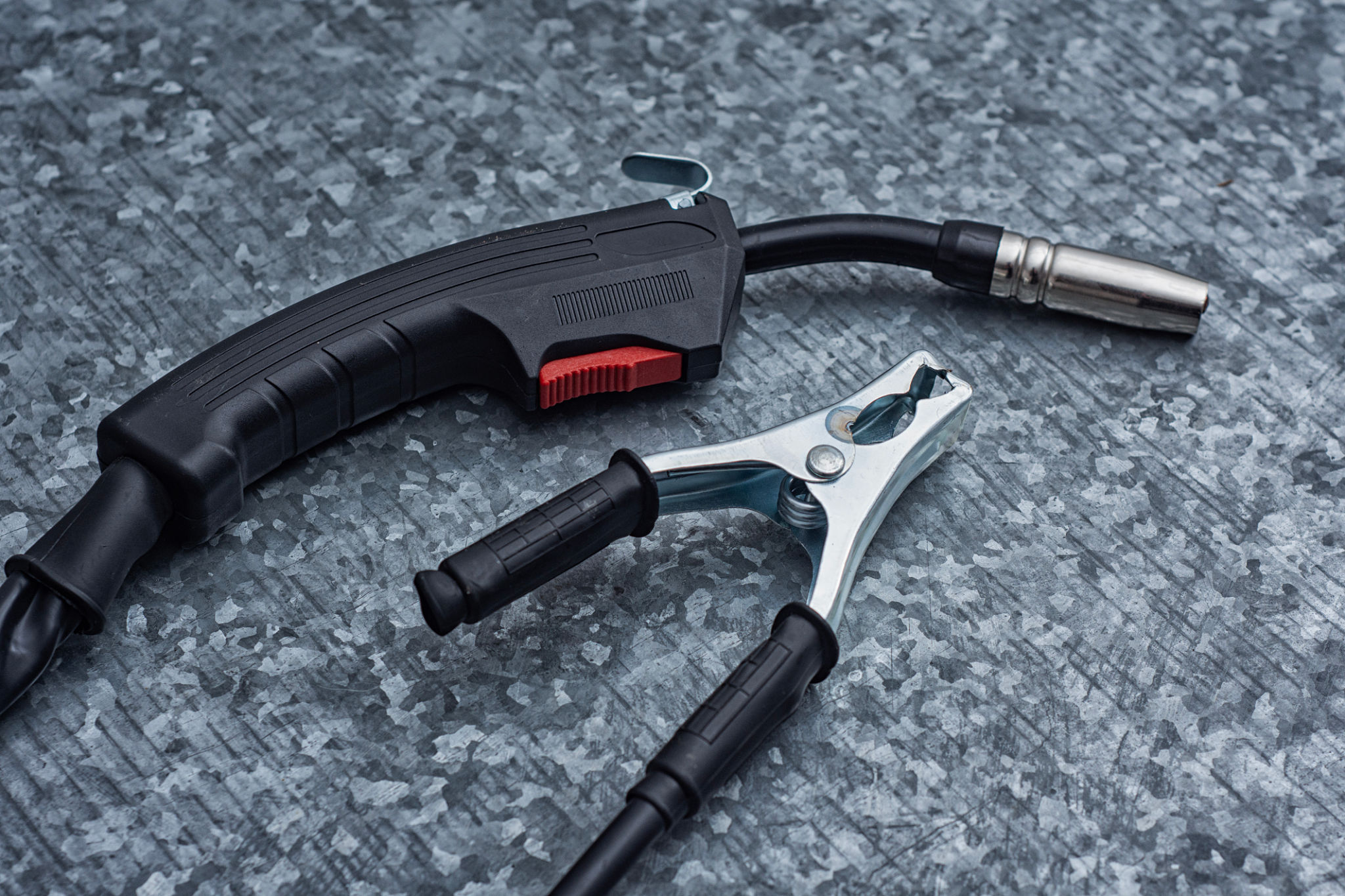
There are several welding processes to choose from, each with its own set of supplies. The most common methods include MIG, TIG, and Stick welding. MIG welding is often preferred for its ease of use and speed, making it ideal for beginners. TIG welding offers precision and is suitable for detailed projects. Stick welding, on the other hand, is versatile and effective for outdoor work. Understanding the differences will help you choose the right supplies.
Essential Welding Equipment
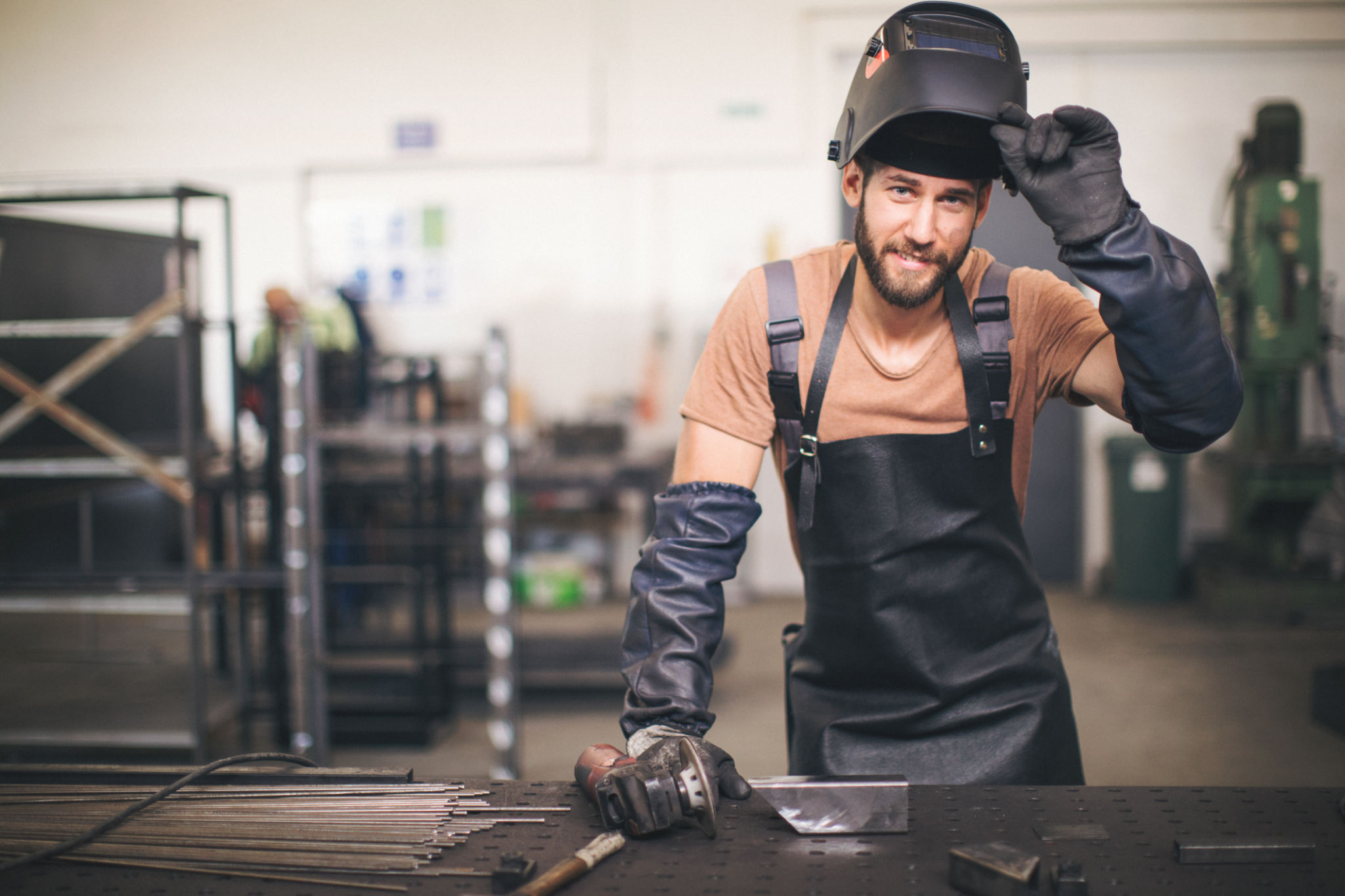
Once you've identified the type of welding process, it's time to gather the essential equipment. A welder is the primary tool, and its selection depends on the process you choose. Additionally, you'll need a welding helmet to protect your eyes and face, gloves for hand protection, and a jacket to shield your body from sparks and heat. Don't forget to include a reliable pair of pliers and a wire brush for cleaning.
Choosing the Right Consumables
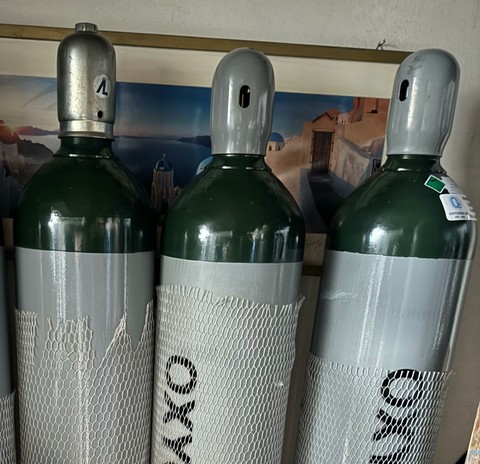
Consumables are crucial components in welding, as they can significantly impact the quality of your welds. For MIG welding, you'll need the appropriate wire and shielding gas, while TIG welding requires specific electrodes and filler rods. Stick welding involves using the right electrodes for the metal type. It's essential to match these consumables with your materials and welding process to ensure strong, durable welds.
Safety First
Safety should always be a top priority when working with welding equipment. Invest in a high-quality welding helmet with an auto-darkening feature to protect your eyes from harmful UV and infrared rays. Ensure your workspace is well-ventilated to avoid inhaling fumes, and keep a fire extinguisher nearby as a precaution. Wearing the right protective gear, such as gloves and flame-resistant clothing, can prevent injuries and accidents.
Budget Considerations
While it's tempting to cut costs, investing in quality welding supplies can save you money in the long run by reducing the risk of errors and rework. Set a budget that allows for high-quality equipment and consumables without compromising on safety. Consider purchasing from reputable brands known for durability and reliability, as these products often offer better performance and longevity.
Consulting with Professionals
If you're unsure about which welding supplies to choose, don't hesitate to consult with professionals. Many suppliers offer expert advice and can guide you in selecting the right equipment for your project. Additionally, attending workshops or taking welding courses can provide valuable insights and hands-on experience, ensuring you're well-prepared to tackle your welding tasks efficiently.