
How to Safely Handle and Store CO2 Cylinders

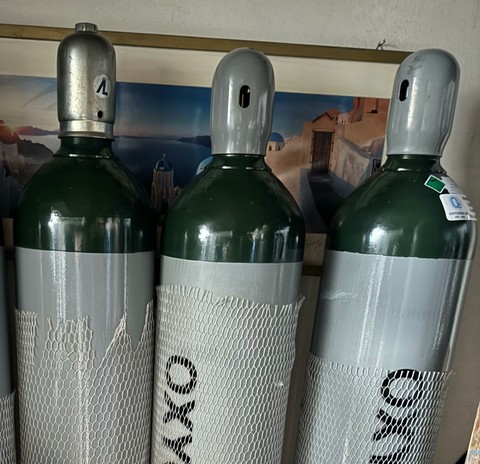
Understanding CO2 Cylinders
CO2 cylinders are widely used in various industries, from beverage carbonation to fire suppression systems. Handling and storing these cylinders safely is crucial to prevent accidents. Understanding the properties and potential hazards of CO2 can help ensure proper safety measures are in place.
CO2 is a colorless, odorless gas that can displace oxygen, leading to potential asphyxiation risks in confined spaces. It's important to recognize that CO2 cylinders are pressurized vessels, which means they require careful handling to avoid leaks or ruptures.

Safe Handling Practices
Training and Education
Before handling CO2 cylinders, ensure that all personnel are adequately trained. This training should cover the correct techniques for moving, storing, and using the cylinders, as well as emergency procedures in case of a leak.
Proper Equipment
Always use appropriate equipment when handling CO2 cylinders. This includes cylinder trolleys for transportation and suitable pressure regulators when connecting them to equipment. Avoid using makeshift tools or methods, as these can lead to accidents.
Storage Guidelines
Location and Environment
Store CO2 cylinders in a well-ventilated area to prevent the accumulation of gas. Ensure the storage location is dry, cool, and away from direct sunlight or heat sources. Cylinders should be stored upright and secured to prevent them from tipping over.
Segregation and Labeling
Keep CO2 cylinders separate from other types of gas cylinders and clearly label them to avoid confusion. Regularly check the storage area for any signs of leaks or damage, and conduct routine inspections of the cylinders themselves.

Emergency Procedures
Leak Detection
Regularly inspect connections and valves for signs of wear and tear. Use leak detection solutions or electronic sensors to identify any potential leaks promptly. If a leak is detected, evacuate the area immediately and follow emergency response protocols.
Incident Response
Develop a comprehensive emergency response plan that includes evacuation procedures and contact information for local emergency services. Ensure all personnel are familiar with these procedures and conduct regular drills to maintain readiness.

Regular Maintenance and Inspections
Conduct regular maintenance checks on all CO2 cylinders, valves, and related equipment. Look for signs of corrosion, damage, or wear, and replace any components that do not meet safety standards. Keeping detailed maintenance records can help track the condition of each cylinder over time.
By following these guidelines, you can ensure the safe handling and storage of CO2 cylinders in your facility, minimizing risks and maintaining a safe environment for all personnel.