
How to Safely Handle and Store Industrial Gases

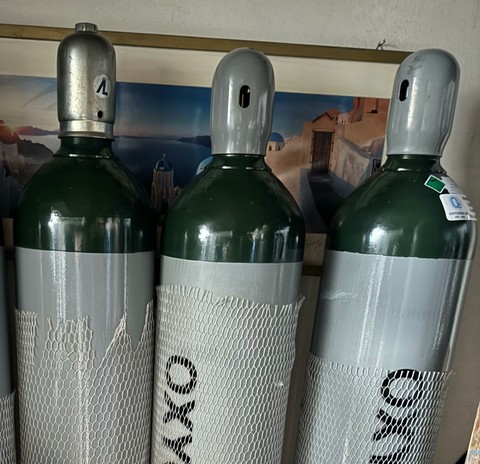
Understanding Industrial Gases
Industrial gases are critical components in various sectors, including manufacturing, healthcare, and technology. These gases, such as oxygen, nitrogen, hydrogen, and carbon dioxide, are used in numerous applications but must be handled with care due to their potential hazards. Understanding the properties and risks associated with each type of gas is an essential first step in ensuring safe handling and storage.

General Safety Guidelines
When dealing with industrial gases, it is crucial to follow general safety guidelines. Always wear appropriate personal protective equipment (PPE), such as gloves, goggles, and face shields, to protect against potential exposure. Additionally, ensure that all gas cylinders are clearly labeled and stored in an upright position, secured with chains or straps to prevent accidental tipping.
Proper Ventilation
Ensuring proper ventilation in storage and usage areas can prevent the accumulation of gases, which might lead to hazardous conditions. Ventilation systems should be regularly inspected and maintained to ensure optimal performance. In situations where natural ventilation is insufficient, mechanical ventilation systems may be necessary.

Storage Practices
Storing industrial gases correctly is vital to maintaining a safe environment. Gas cylinders should be stored in a cool, dry, and well-ventilated area, away from direct sunlight and heat sources. It's important to segregate cylinders based on their contents; for example, flammable gases should be stored separately from oxidizing gases.
Handling Cylinders
When moving gas cylinders, use appropriate equipment such as cylinder carts to avoid physical injury. Never roll or drag cylinders, as this can cause damage or leaks. Always handle cylinders with care and ensure they are tightly closed when not in use to prevent leaks.

Emergency Procedures
Having a clear emergency procedure is essential for responding effectively to any incidents involving industrial gases. This includes knowing how to quickly and safely shut off gas supplies, evacuate the area, and contact emergency services. Regular drills and training sessions can help ensure that all personnel are familiar with these procedures.
Leak Detection
Regularly inspecting and maintaining equipment can help detect and prevent gas leaks. Use approved detection methods, such as gas detectors and soapy water tests, to identify leaks early. If a leak is detected, follow the established emergency procedures immediately to mitigate any risks.

Training and Awareness
Continuous training and awareness programs are essential for all personnel involved in handling industrial gases. These programs should cover topics such as gas properties, potential hazards, and safe handling practices. Keeping up-to-date with the latest safety standards and regulations is also crucial in maintaining a safe working environment.
By following these guidelines, businesses can ensure the safe handling and storage of industrial gases, protecting both their employees and the surrounding environment.