
Myths About Carbon Dioxide in Industrial Use: Debunked

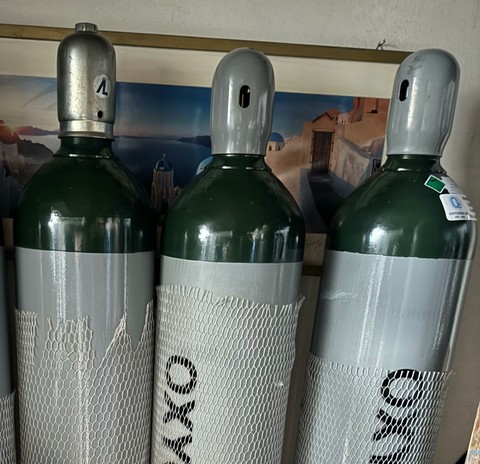
Carbon dioxide (CO2) is often misunderstood, especially in the context of industrial use. Many myths surround its application and impact, leading to confusion and misinterpretation. This blog post aims to debunk some of the most common myths about carbon dioxide in industrial settings.
Myth 1: Carbon Dioxide is Only a Pollutant
One of the most prevalent myths is that carbon dioxide is solely a pollutant. While it's true that CO2 emissions contribute to climate change, CO2 also plays a crucial role in various industrial processes. It is used in the production of carbonated beverages, as a refrigerant, and even in fire extinguishers. Its versatility makes it indispensable in many industries.
In industries like food and beverage, CO2 is utilized to carbonate drinks and preserve freshness. Additionally, in the agricultural sector, it aids in enhancing plant growth, demonstrating its beneficial applications.

Myth 2: Industrial CO2 is Hazardous to Health
Another common misconception is that industrial CO2 poses a significant health risk. In reality, CO2 is a naturally occurring gas that is safe at low concentrations. It is only dangerous at extremely high levels, which are typically not present in controlled industrial environments.
Industries follow strict guidelines to ensure the safety of workers when handling CO2. Proper ventilation systems and monitoring devices are used to maintain safe levels, making the industrial use of CO2 secure for employees.

Myth 3: CO2 Cannot Be Recycled
Many believe that once CO2 is released, it cannot be reused or recycled. This is far from the truth. Emerging technologies are being developed to capture and recycle CO2, transforming it into useful products such as fuels, plastics, and even building materials.
Carbon capture and utilization (CCU) technologies are paving the way for sustainable industrial practices. By converting CO2 into valuable resources, industries can reduce their carbon footprint and contribute to a circular economy.

Myth 4: All Industrial CO2 is the Same
It's a common misconception that all industrial CO2 is identical. However, the purity and concentration of CO2 can vary significantly depending on its source and intended use. For example, food-grade CO2 requires a higher purity level than CO2 used in industrial cleaning.
Understanding the different grades and qualities of CO2 is essential for its effective application in various industries. This ensures that the gas is used safely and appropriately, depending on the specific requirements.
Myth 5: Reducing CO2 Means Halting Industrial Progress
Some argue that reducing CO2 emissions necessitates halting industrial progress. However, this is a false dichotomy. Many industries are finding innovative ways to reduce emissions while continuing to grow. By investing in cleaner technologies and more efficient processes, industries can achieve both environmental and economic benefits.
The shift towards sustainable practices doesn't mean sacrificing progress. Instead, it encourages innovation and adaptability, driving industries toward a more sustainable future.
