
Top Safety Practices for Handling Industrial Gases in Greece

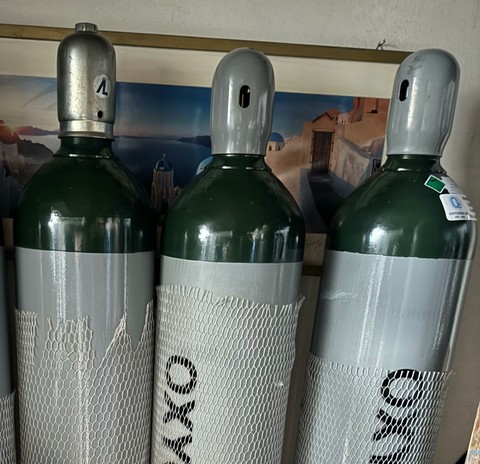
Handling industrial gases safely is crucial for ensuring a secure working environment, especially in countries with a booming industrial sector like Greece. By adhering to best practices, companies can minimize risks and protect their employees from potential hazards. Here are some top safety practices for handling industrial gases effectively.
Understanding the Types of Industrial Gases
Industrial gases such as oxygen, nitrogen, hydrogen, and carbon dioxide are commonly used in various sectors. Each gas has unique properties and potential risks. For example, while oxygen supports combustion, hydrogen is highly flammable. Knowing the specific characteristics of each gas is the first step in ensuring safety.
Employees should be trained to recognize these gases and be aware of their specific storage and handling requirements. This knowledge is essential for preventing accidents and ensuring a safe workplace.

Proper Storage and Labeling
Correct storage of industrial gases is vital to prevent leaks and accidental exposure. Gases should be stored in well-ventilated areas away from direct sunlight and heat sources. Cylinders must be secured upright and segregated based on their chemical properties.
Additionally, cylinders and containers should be clearly labeled with the gas name and a hazard symbol. This labeling helps employees quickly identify the contents and associated risks, facilitating safe handling and emergency response.
Regular Inspection and Maintenance
Regular inspection and maintenance of gas cylinders, valves, and connections are critical. Leaks and damage can lead to dangerous situations. Implementing a routine check ensures that all equipment is in good working condition and any issues are addressed promptly.

Employee Training and Personal Protective Equipment (PPE)
Comprehensive training programs are essential for educating employees about safe handling practices. This training should cover the properties of gases, emergency procedures, and the correct use of Personal Protective Equipment (PPE).
PPE such as gloves, goggles, and masks should be provided and worn whenever handling gases. This equipment acts as a barrier against potential exposure and injuries.
Emergency Preparedness
Being prepared for emergencies is a key aspect of safety. Companies should have a well-defined emergency response plan that includes evacuation routes, first-aid procedures, and emergency contact numbers. Regular drills help ensure that all employees are familiar with these procedures.

Compliance with Regulations
Adhering to local and international safety regulations is mandatory. In Greece, companies must comply with the guidelines set by the Hellenic Institute for Occupational Health and Safety. These regulations provide a framework for safe practices and help protect employees from occupational hazards.
Regular audits and compliance checks can help businesses maintain high safety standards and avoid legal issues.
Conclusion
Implementing these safety practices can significantly reduce the risks associated with handling industrial gases. By understanding gas properties, ensuring proper storage, conducting regular inspections, providing adequate training, and complying with regulations, companies in Greece can create a safer workplace for everyone involved.