
Top Safety Tips for Handling Acetylene Cylinders

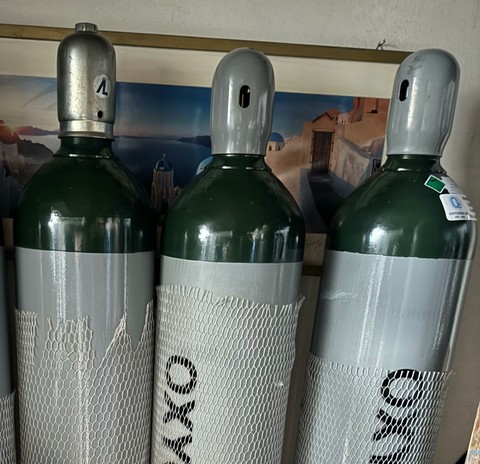
Understanding Acetylene Cylinders
Acetylene is a highly flammable gas used in various industrial applications, including welding and cutting. Proper handling of acetylene cylinders is crucial to ensure safety and prevent accidents. This post outlines essential safety tips for managing these cylinders effectively.
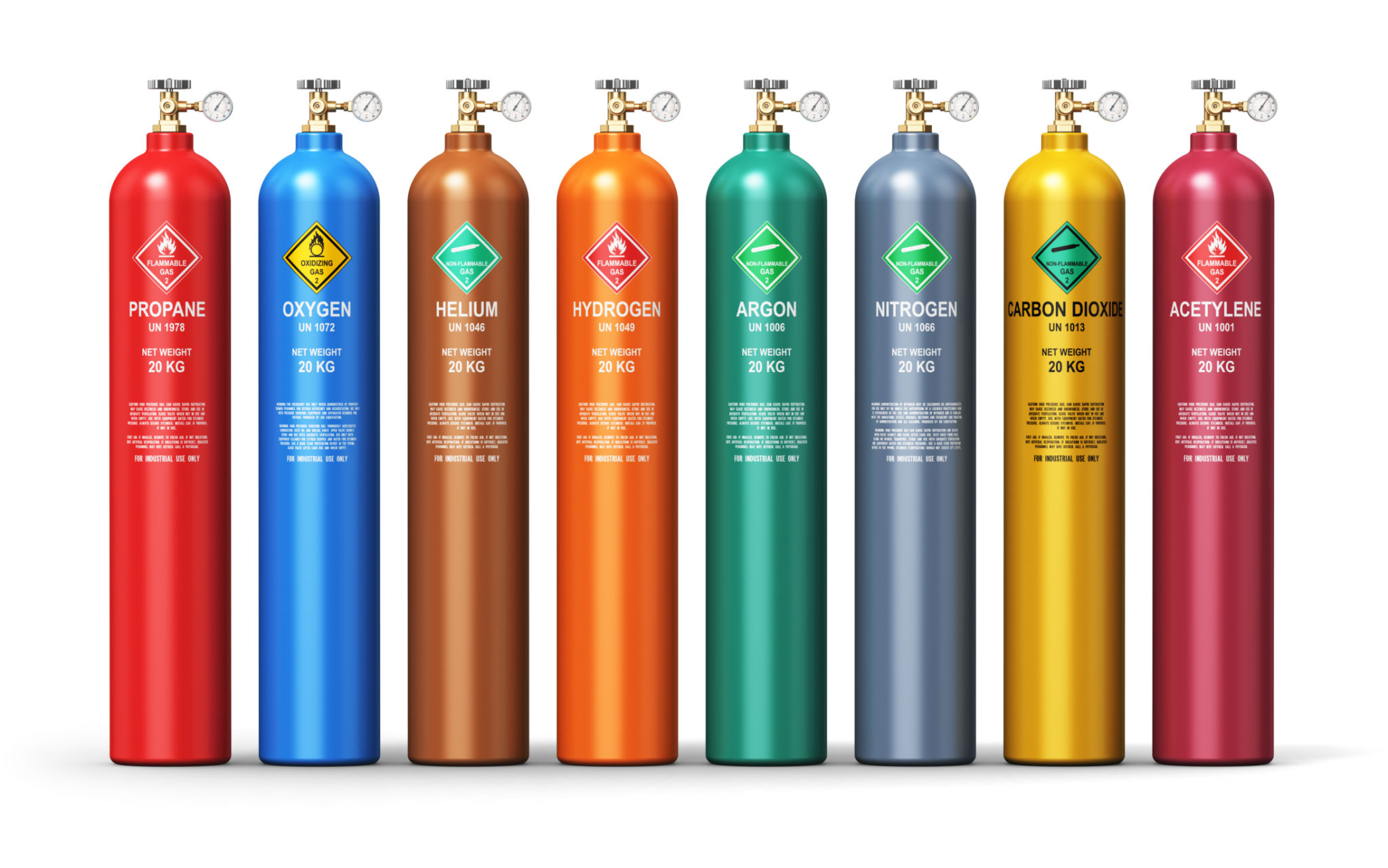
Storage Guidelines
One of the most important aspects of handling acetylene cylinders is proper storage. Always store cylinders in an upright position to prevent any leakage or instability. Ensure they are kept in a well-ventilated area away from sources of ignition and direct sunlight.
Secure the cylinders to prevent them from falling or getting knocked over, which can cause dangerous leaks or even explosions. Use appropriate cylinder racks or chains for stability.
Safe Transportation
When transporting acetylene cylinders, use a suitable cart or trolley designed for this purpose. Cylinders should never be rolled or dragged, as this can damage the valve and lead to leaks. Ensure the valve cap is securely in place during transportation.

Handling Procedures
Before using an acetylene cylinder, perform a thorough inspection to check for any signs of damage or leaks. Never use a damaged cylinder, and always report any issues to your supervisor or the cylinder supplier immediately.
When operating with acetylene, always open the valve slowly to prevent sudden pressure changes. Use a regulator designed specifically for acetylene to control the flow of gas and ensure optimal safety.
Emergency Protocols
In the event of a leak, evacuate the area immediately and follow your workplace’s emergency procedures. Notify emergency services and provide them with detailed information about the situation.

Routine Maintenance
Regular maintenance of acetylene cylinders and associated equipment is vital to ensure they remain in good working condition. Schedule routine checks and replace any worn-out parts to minimize risks.
Training employees on the latest safety protocols and the proper handling of acetylene cylinders can significantly reduce the likelihood of accidents. Make sure all personnel are familiar with the procedures and guidelines.
Conclusion
By following these safety tips, you can effectively manage acetylene cylinders and create a safer working environment. Always prioritize safety and stay informed about the latest regulations and best practices for handling acetylene. Remember, a well-prepared team is the first line of defense against potential hazards.