
Top Safety Tips for Handling Industrial Gases

Understanding Industrial Gases
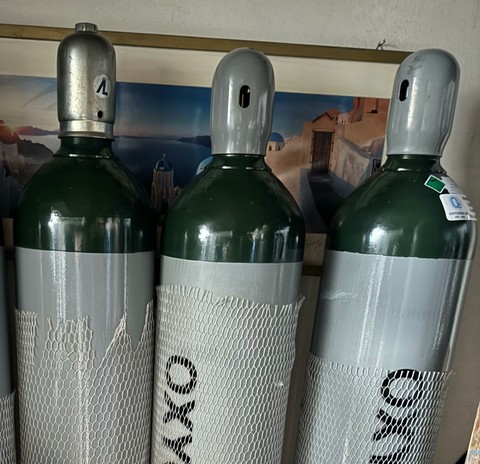
Industrial gases, such as oxygen, nitrogen, and hydrogen, are critical components in numerous industries. These gases facilitate various processes, from welding to refrigeration. However, they also pose significant hazards if not handled correctly. It is crucial to understand their properties and the potential risks involved.

Proper Storage Techniques
Proper storage of industrial gases is essential for safety. Cylinders should be stored in a well-ventilated area away from direct sunlight and heat sources. Ensure that they are secured upright to prevent tipping. Additionally, separate flammable gases from oxidizers to reduce the risk of accidental combustion.
Labeling and Identification
Always label gas cylinders clearly with the content and associated hazards. This helps in quick identification and prevents misuse. Regularly inspect the labels for legibility and replace them if necessary. Understanding these labels is vital for everyone handling the gases.
Safe Handling Practices
When handling industrial gases, wearing appropriate personal protective equipment (PPE) is imperative. This includes gloves, goggles, and face shields. Always use the correct tools designed for gas cylinders to prevent leaks or damage.

Transporting Gas Cylinders
Transporting gas cylinders requires careful attention. Use carts or trolleys designed for cylinder movement, and ensure they are secure before transport. Never roll or drag cylinders, as this can compromise their integrity and create hazards.
Emergency Preparedness
Despite the best precautions, emergencies can still occur. It is vital to have an emergency response plan in place. Ensure all personnel are trained in emergency procedures, including how to shut off gas supplies and evacuate the area safely.

Regular Maintenance and Inspections
Regular maintenance and inspections of gas systems and equipment are crucial for safety. Check for leaks, corrosion, or any signs of wear and tear. Implement a routine inspection schedule to ensure all components remain in good working order.
Training and Education
Continuous training and education for all employees handling industrial gases are essential. Conduct regular safety drills and seminars to keep safety practices fresh in everyone’s minds. Keeping up-to-date with the latest safety standards and best practices can significantly reduce risks.
By following these safety tips and maintaining a vigilant approach to handling industrial gases, companies can ensure a safer working environment and protect their most valuable assets: their people.