
Understanding the Benefits of Argon Gas in Industrial Applications

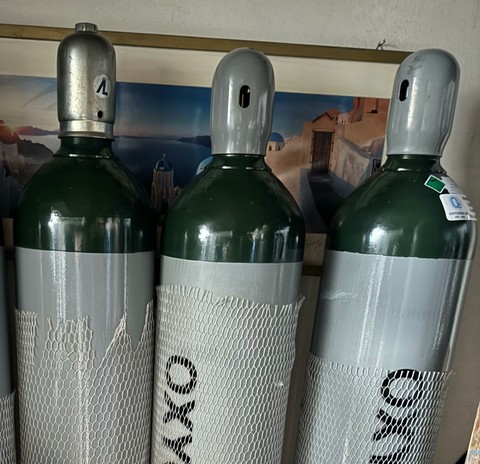
Introduction to Argon Gas
Argon gas, an inert noble gas, is a key player in various industrial applications. Its unique properties make it invaluable in processes ranging from welding to manufacturing semiconductor devices. Understanding these benefits can help industries optimize their operations and ensure high-quality results.
Being the third most abundant gas in the Earth's atmosphere, argon is both accessible and versatile. Its chemical inertness allows it to be used in environments where reactions with other substances are undesirable.

Welding and Metal Fabrication
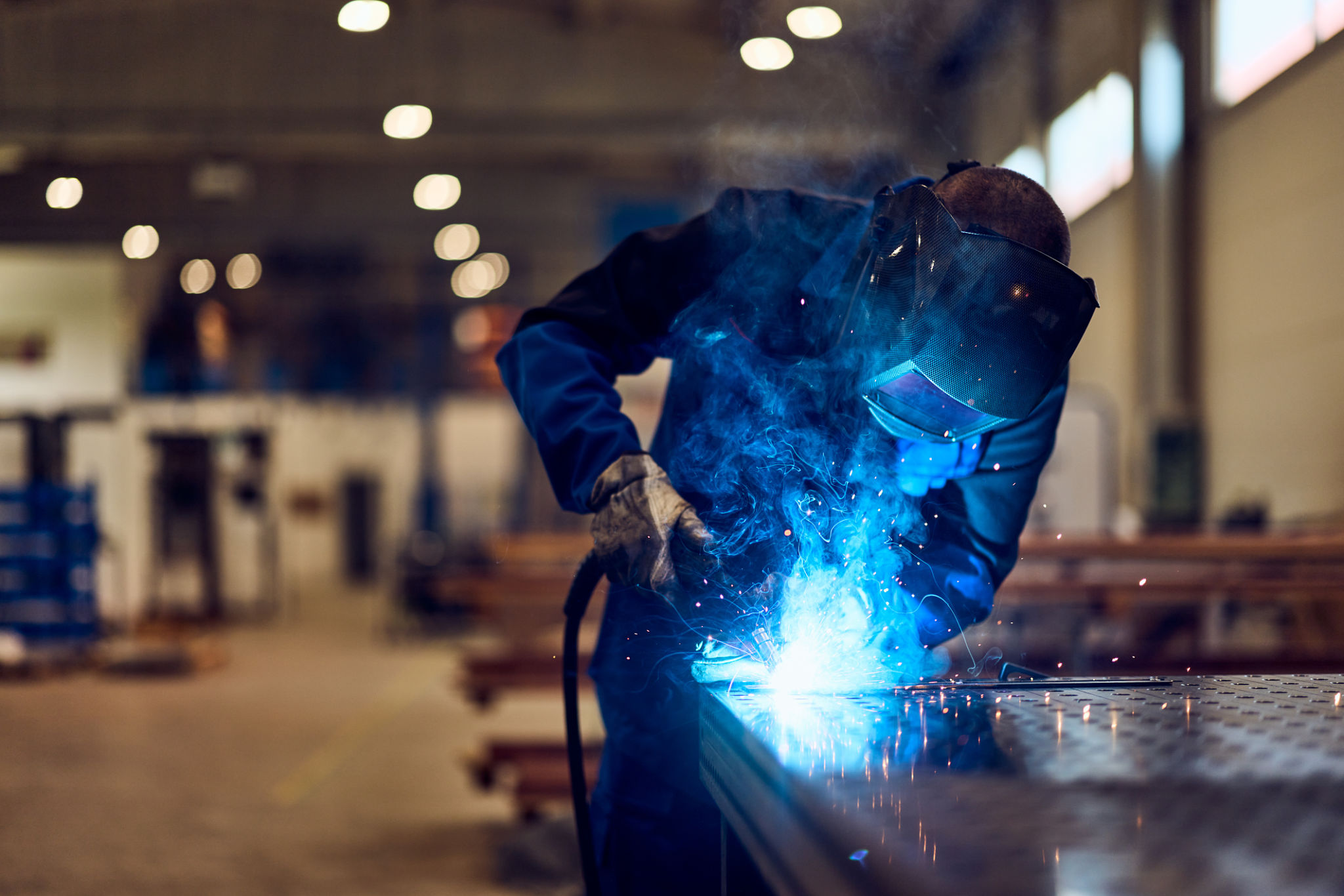
Argon is widely used in welding and metal fabrication due to its ability to create an inert gas shield. This shield protects the weld area from atmospheric gases like oxygen and nitrogen, which can cause defects in the weld.
In processes such as Gas Tungsten Arc Welding (GTAW) and Gas Metal Arc Welding (GMAW), argon is often used alone or mixed with other gases to enhance the quality of the weld. Its non-reactive nature ensures that the weld remains free of contamination and is structurally sound.
Benefits in Welding
The use of argon in welding provides several benefits:
- Improved weld quality: Reduces oxidation and contamination.
- Stability: Offers a stable arc, improving control.
- Versatility: Suitable for various metals, including aluminum and stainless steel.
Role in Manufacturing and Electronics
In the electronics industry, argon plays a crucial role in the production of semiconductors and other high-tech devices. It is used in sputtering and annealing processes, where its inert properties prevent unwanted chemical reactions.
Argon's ability to provide a controlled environment is essential in the manufacturing of sensitive components. This ensures that the products meet the stringent quality standards required in the electronics sector.
Applications in Semiconductor Manufacturing
In semiconductor manufacturing, argon is used for:
- Creating a non-reactive atmosphere for deposition and etching.
- Minimizing defects in thin-film production.
- Ensuring high-purity environments for microchip fabrication.

Other Industrial Applications
Beyond welding and electronics, argon has applications in various other industries. It is used in the production of specialty alloys, where it prevents oxidation and helps maintain the integrity of the material.
In the lighting industry, argon is used in incandescent and fluorescent bulbs to prevent the oxidation of the filament, thereby prolonging the life of the bulb. Its presence in double-glazed windows also improves insulation by reducing heat transfer.
Environmental and Safety Considerations
While argon is non-toxic and safe to use, it is important to handle it with care due to its asphyxiant properties in confined spaces. Industries must ensure proper ventilation and adhere to safety protocols to prevent any risks associated with its use.

Conclusion
Argon gas offers numerous benefits across various industrial applications thanks to its inert nature and ability to create controlled environments. Whether in welding, electronics, or manufacturing, its role is central to enhancing product quality and process efficiency.
Understanding and leveraging the properties of argon can lead to significant improvements in industrial operations, making it an indispensable resource in today's technological landscape.